If you have had a fall, sports injury, or accident and now have pain, swelling, or limited movement, you may be dealing with a bone fracture. The main types of bone fractures are closed, open, greenstick, transverse, oblique, spiral, comminuted, and stress fractures. Each one breaks the bone in a different way, and the type guides how it is treated. Patients in Forest Hills, Queens often come to our orthopedic team to get an accurate diagnosis and a clear plan.
The Main Types of Bone Fractures at a Glance
- Closed fracture: the bone breaks but the skin stays intact.
- Open fracture: the broken bone pierces the skin, also called a compound fracture.
- Greenstick fracture: the bone bends and cracks without breaking all the way through, often seen in children.
- Transverse fracture: the break runs straight across the bone.
- Oblique fracture: the break runs at an angle across the bone.
- Spiral fracture: the break twists around the bone, usually from a twisting force.
- Comminuted fracture: the bone shatters into three or more pieces.
- Stress fracture: a small crack that develops gradually from repeated impact.
What Are Bone Fractures and Why Do They Happen?
Bone fractures occur when a bone breaks due to excessive force, such as from a fall or direct impact. They can also result from repetitive stress or underlying conditions that weaken bones over time. In Forest Hills, Queens, active individuals and older adults frequently encounter these injuries during daily activities or sports.
Fractures vary in severity and require careful evaluation to determine the best path forward. Early recognition helps prevent complications and supports a smoother healing process. Dr. Mehran Manouel, MD, FAAOS, an orthopedic surgeon serving Forest Hills and surrounding areas, emphasizes thorough assessment for each case.
Types of Bone Fractures Explained
Closed Fractures
A closed fracture keeps the broken bone under the skin without an open wound. Simple closed fractures often heal with immobilization using casts or splints for several weeks.
Open Fractures
An open fracture, also called a compound fracture, involves the bone piercing through the skin, which increases infection risk. Open fractures typically require surgical cleaning and fixation with plates, screws, or rods to restore stability.
Greenstick Fractures
A greenstick fracture bends and cracks the bone without breaking it completely. It is often seen in children, whose bones are more flexible.
Transverse Fractures
A transverse fracture runs straight across the bone, at roughly a right angle to its length.
Oblique Fractures
An oblique fracture runs at an angle across the bone instead of straight across it.
Spiral Fractures
Spiral fractures result from twisting forces and may need specialized stabilization. The break wraps around the bone like the thread of a screw.
Comminuted Fractures
A comminuted fracture shatters the bone into multiple pieces. Complex comminuted breaks may need external fixators.
Stress Fractures
Stress fractures develop gradually from repeated impact and are common among runners and athletes in Great Neck. Non-surgical options like bracing work well for stress fractures.
Each type presents unique challenges. Understanding these variations helps patients set realistic expectations about care.
Recognizing the Symptoms of a Bone Fracture
Pain that worsens with movement or pressure often signals a fracture. Swelling, bruising, and visible deformity around the injury site are common signs. In some cases, a grinding sensation or inability to bear weight appears immediately.
Numbness or tingling may occur if nerves are affected. Symptoms can sometimes mimic sprains, so professional evaluation is essential. Residents of the Bronx and Forest Hills, Queens turn to experienced providers when these signs persist.
How Fractures Are Diagnosed
X-rays serve as the first-line imaging tool to confirm a fracture and assess its alignment. CT scans provide detailed views of complex breaks, while MRI helps evaluate surrounding soft tissues. These tools allow precise classification of the injury type.
Physical examination includes checking range of motion and circulation. Dr. Mehran Manouel, MD, FAAOS combines these methods to create an accurate picture before recommending treatment. Timely diagnosis supports better outcomes for patients across Queens and Long Island.
How Bone Fractures Are Treated
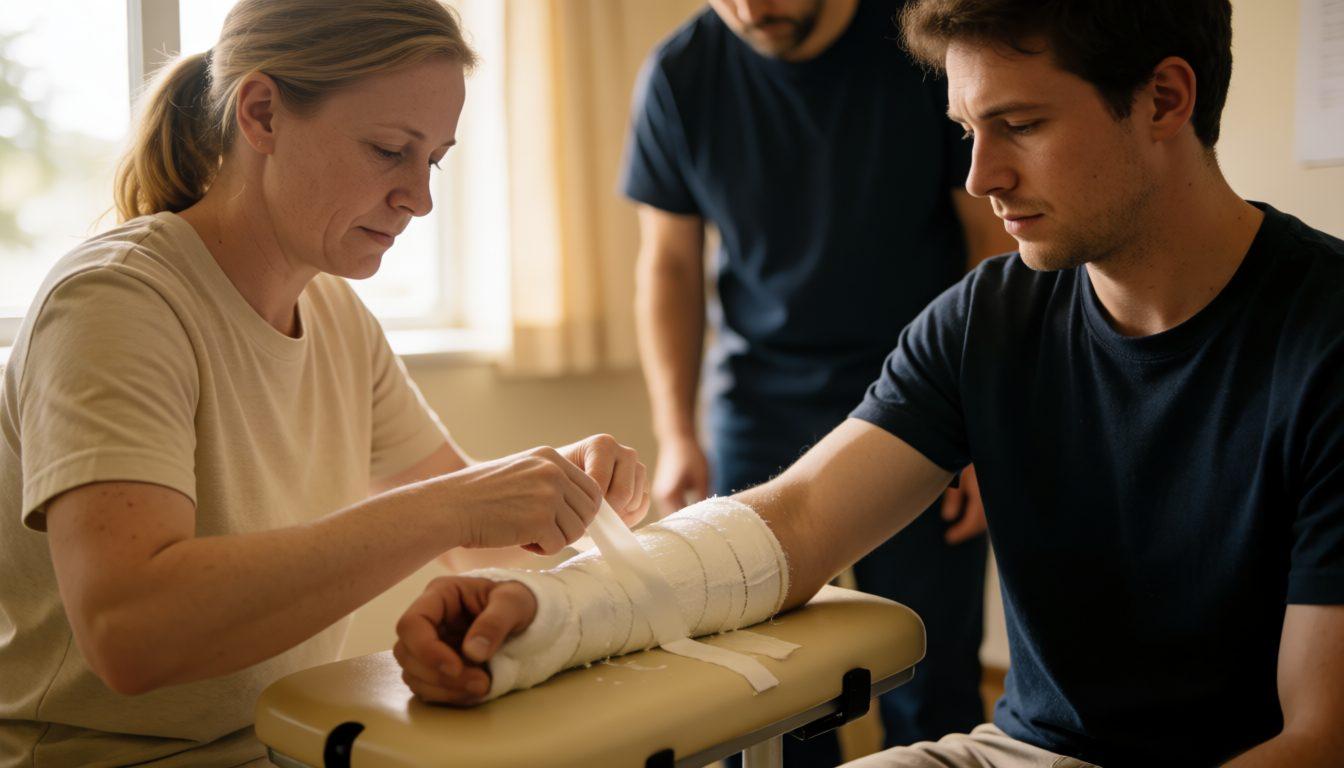
Simple closed fractures often heal with immobilization using casts or splints for several weeks. Open fractures typically require surgical cleaning and fixation with plates, screws, or rods to restore stability. Pain management and infection prevention form key parts of initial care.
Non-surgical options like bracing work well for stress fractures, while complex comminuted breaks may need external fixators. Physical therapy begins once initial healing allows, focusing on strength and mobility. Dr. Mehran Manouel tailors these approaches based on fracture location and patient needs in Forest Hills and Great Neck.
What to Expect During Recovery
Healing timelines range from four to six weeks for many simple fractures to several months for severe or surgical cases. Follow-up visits monitor bone alignment through repeat imaging. Weight-bearing restrictions and activity modifications help protect the site during early stages.
Rehabilitation programs restore function gradually with guided exercises. Nutrition rich in calcium and vitamin D supports bone repair. Patients in the Bronx and Forest Hills receive ongoing guidance to track progress safely.
Fracture Care in Forest Hills and Nearby Areas
Selecting a provider with orthopedic expertise ensures appropriate management of fracture types and treatments. Look for specialists who offer comprehensive diagnostics and personalized plans close to home. Access to care in Forest Hills, Queens, Great Neck, and the Bronx simplifies follow-up appointments.
Dr. Mehran Manouel, MD, FAAOS brings extensive experience in fracture care to these communities. Learn more about our orthopedic surgery and fracture care, or request an appointment to discuss your specific injury and next steps.
Call (718) 897-2228 or visit https://www.msorthovasc.com to schedule an evaluation.
Frequently Asked Questions
What are the main types of bone fractures?
The main types are closed, open, greenstick, transverse, oblique, spiral, comminuted, and stress fractures. They are grouped by whether the skin is broken and by the way the bone breaks.
What is the difference between a closed and an open fracture?
In a closed fracture the skin stays intact. In an open fracture the bone pierces the skin, which raises the risk of infection and usually calls for surgical cleaning and fixation.
How long does it take for a bone fracture to heal?
Healing time depends on the fracture type, location, and individual health factors. Simple fractures often stabilize in four to eight weeks, while surgical cases may require three to six months of monitored recovery.
What are the signs that a fracture needs surgery?
Open fractures, displaced bones, or those involving joints frequently require surgical intervention. A specialist evaluates alignment and stability to determine if fixation is necessary.
Can I walk on a fractured foot or leg?
Weight bearing is usually restricted until imaging confirms stability. Using crutches or a boot protects the bone during initial healing phases.
How does physical therapy help after a fracture?
Therapy restores strength, flexibility, and balance once the bone begins to mend. It reduces stiffness and supports a safe return to daily activities.
Where can I find fracture care near Forest Hills, Queens?
Specialized orthopedic services are available through practices serving Forest Hills, Great Neck, and the Bronx. Consulting with an experienced surgeon like Dr. Mehran Manouel helps match treatment to your needs.