Carotid Artery Disease & Stroke Prevention at M&S Vascular and Orthopedic Group — minimally invasive treatment in Forest Hills, Queens & Great Neck, Long Island
All Services

Carotid Artery Disease and Stroke Prevention in Queens

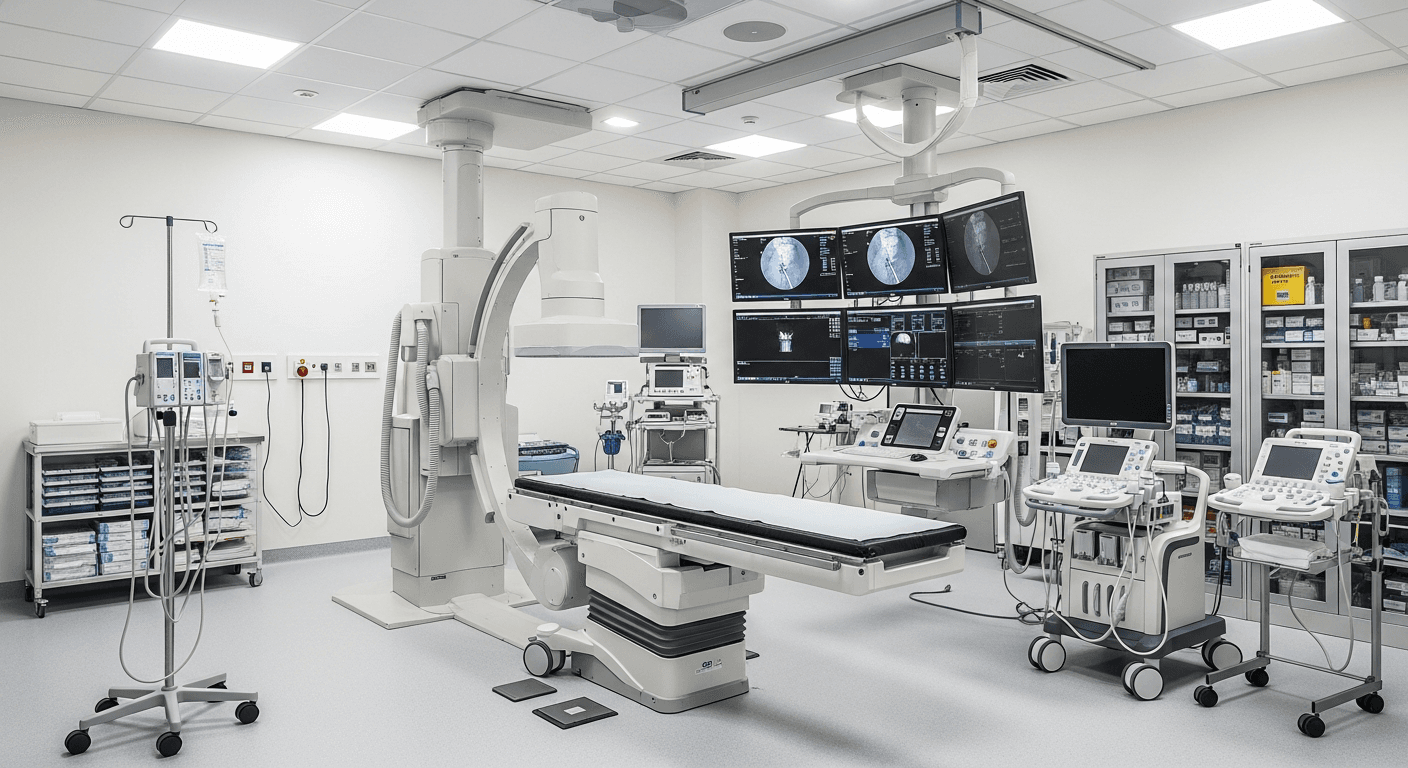
Carotid ultrasound evaluation and stroke-prevention vascular care in Forest Hills, Queens

Medically Reviewed by Dr. Amir Salem, MD · April 28, 2026

About Carotid Artery Disease & Stroke Prevention

Carotid artery disease happens when plaque narrows the major arteries in the neck that carry blood to the brain. Because carotid narrowing can raise the risk of transient ischemic attack (TIA) and stroke, early evaluation is important for patients with vascular risk factors, prior stroke warning signs, or known plaque disease. At M&S Vascular and Orthopedic Group in Forest Hills, Queens, Dr. Amir Salem evaluates carotid artery concerns with a prevention-focused vascular approach. Patients may need carotid duplex ultrasound, medication and risk-factor coordination, follow-up surveillance, or referral for advanced treatment depending on symptoms and the degree of narrowing. M&S serves patients from Forest Hills, Rego Park, Kew Gardens, Jamaica, Flushing, Great Neck, and nearby Queens and Long Island communities who need practical guidance on stroke prevention, vascular screening, and whole-body circulation risk.

Carotid Artery Disease & Stroke Prevention — what to expect

What to Expect

Your Visit, Step by Step

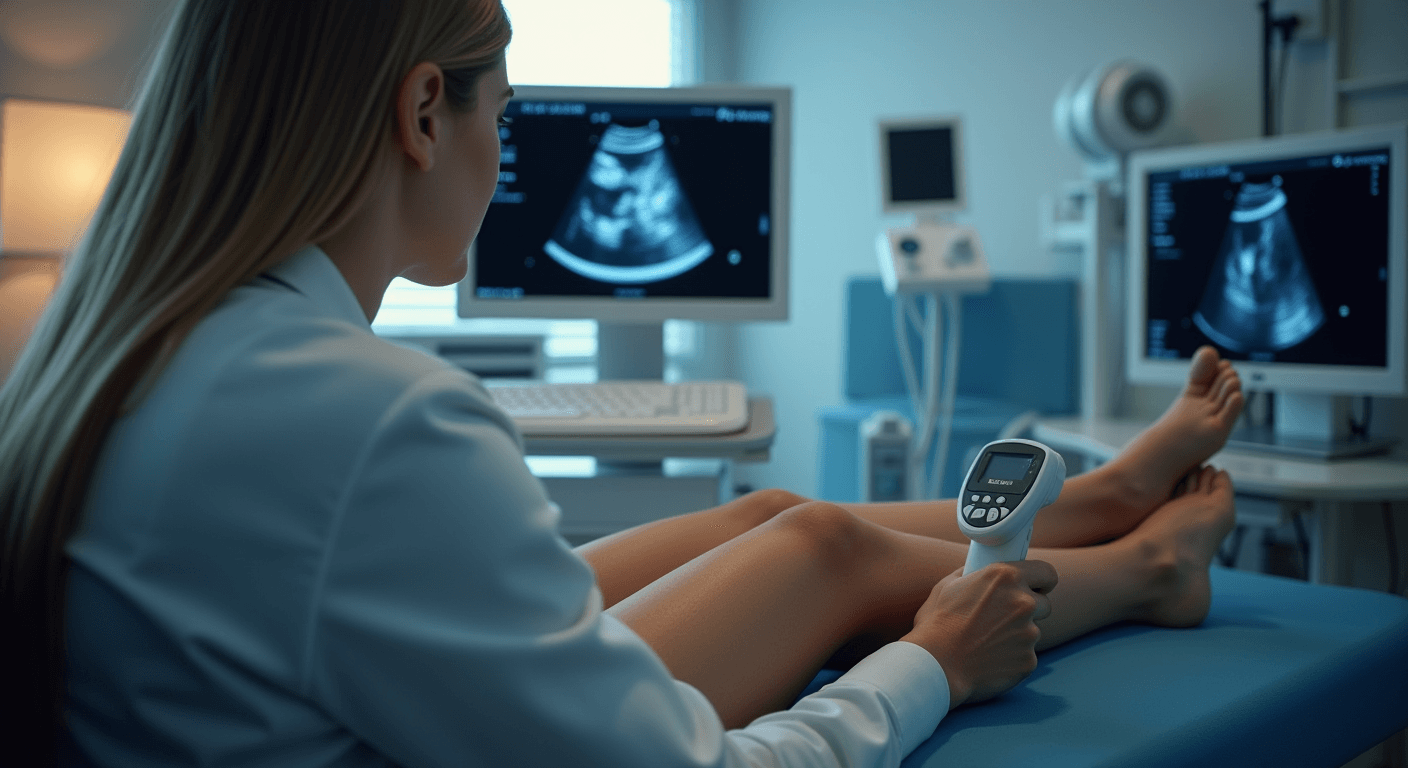
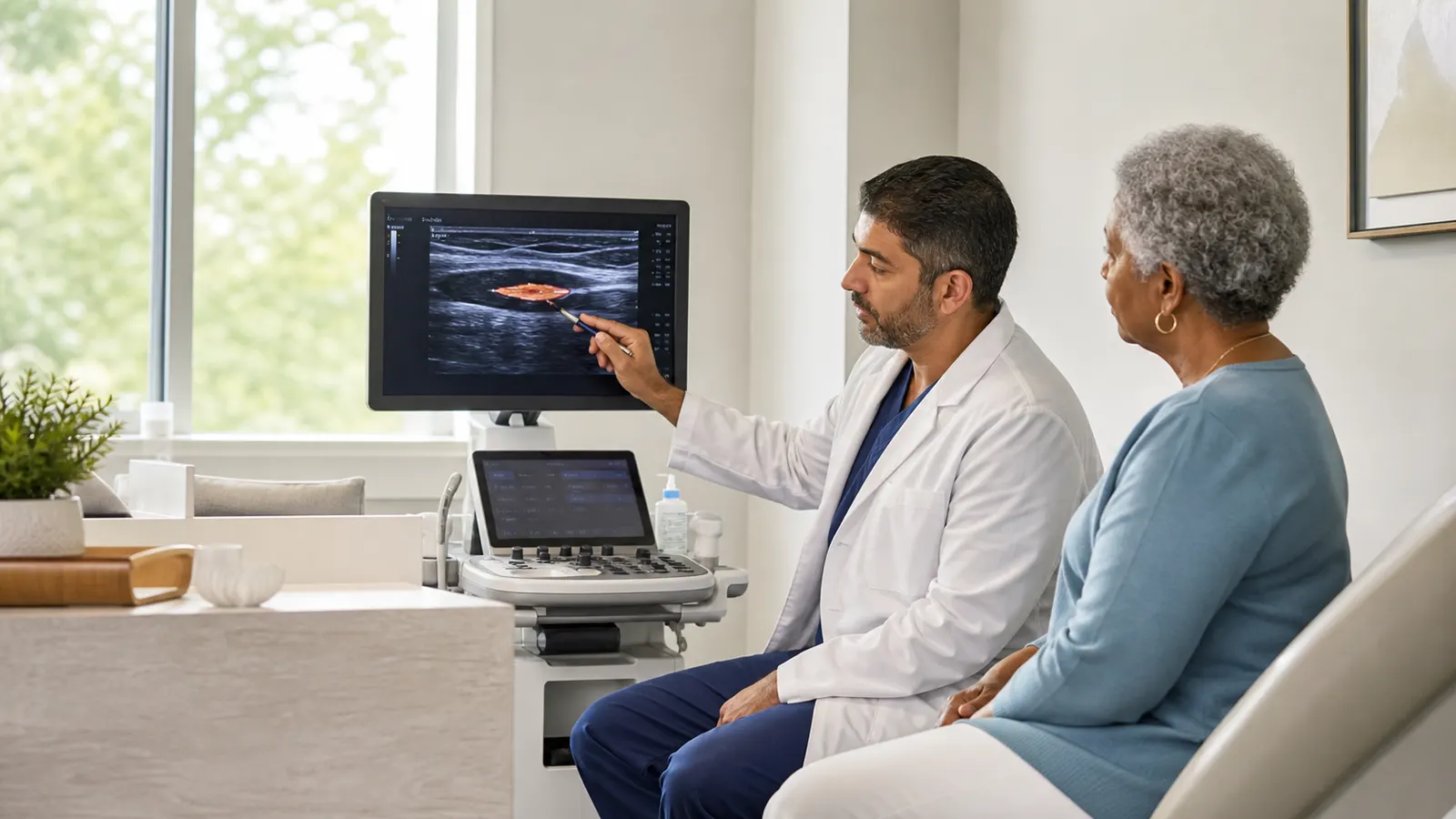
Your carotid evaluation begins with a review of stroke or TIA symptoms, medical history, medications, blood pressure, cholesterol, diabetes status, smoking history, and prior imaging. A focused exam may include listening for neck artery sounds and reviewing circulation risk throughout the body. If appropriate, carotid duplex ultrasound can measure blood flow through the neck arteries without radiation or needles. Your clinician will explain whether results suggest routine monitoring, medical risk reduction, additional imaging, or specialist coordination.

Who Is This For?

Adults with known carotid plaque, prior TIA or stroke symptoms, vascular risk factors, diabetes, high blood pressure, high cholesterol, smoking history, PAD, heart disease, or family history of vascular disease who need carotid artery evaluation in Queens.

Frequently Asked Questions

What are warning signs of a TIA or stroke?
Call 911 for sudden face drooping, weakness or numbness on one side, speech trouble, confusion, vision loss, severe dizziness, trouble walking, or a sudden severe headache. Even if symptoms improve quickly, they can be a serious warning sign.
How is carotid artery disease diagnosed?
Carotid duplex ultrasound is commonly used to evaluate blood flow and estimate narrowing in the carotid arteries. Depending on symptoms and ultrasound findings, CTA, MRA, neurology coordination, or vascular specialist follow-up may be recommended.
Can carotid artery disease be treated without surgery?
Many patients are managed with stroke-prevention medication, cholesterol and blood pressure control, diabetes management, smoking cessation, exercise guidance, and ultrasound surveillance. Severe or symptomatic narrowing may require discussion of procedures such as carotid endarterectomy or stenting.
Who should consider carotid screening?
Routine ultrasound screening for carotid narrowing is not recommended for the general adult population without stroke or TIA symptoms. Having high blood pressure, diabetes, or a smoking history does not automatically mean you need a scan. Evaluating symptoms or monitoring already diagnosed carotid disease is different from screening. Discuss your history with your clinician; sudden neurologic symptoms require 911, not a screening appointment.
What is the difference between carotid screening and surveillance?
Screening looks for narrowing in a person without a prior diagnosis or relevant symptoms. Surveillance follows carotid disease that has already been found, using repeat imaging when the treating clinician recommends it. If a previous scan showed plaque, bring that report and any available images. The team can compare the findings and decide whether another ultrasound would change the care plan. There is no universal annual scan schedule for every patient with a vascular risk factor.
What happens during a carotid ultrasound in Forest Hills?
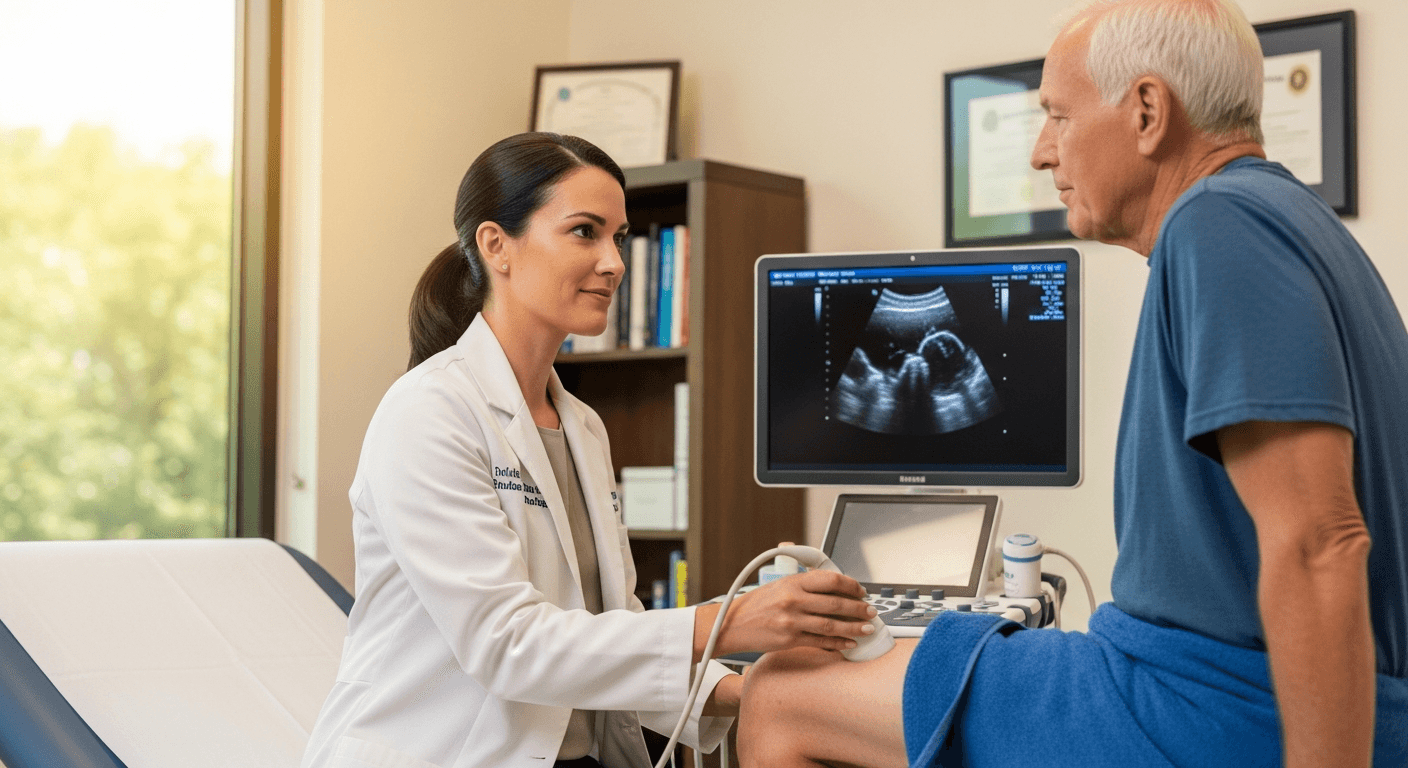
A carotid duplex ultrasound uses sound waves to assess the neck arteries and blood flow. A sonographer applies gel and moves a probe over the skin while you lie on an examination table. The test does not use radiation. Ask the office about any preparation and bring prior imaging for comparison. The report needs clinical interpretation: an ultrasound result alone does not decide whether you need surgery or explain every cause of dizziness or headache.
Does carotid plaque always require surgery or a stent?
No. Treatment depends on symptoms, the degree of narrowing, overall health, and the expected benefits and risks of an intervention. Medical care may include prescribed cholesterol-lowering or antiplatelet medication, blood pressure treatment, and support for stopping tobacco use. Do not start aspirin or change blood thinners based on a website. When a procedure is considered, ask why it is recommended, what alternatives exist, who would perform it, and where it would take place.
What should I bring to a carotid artery evaluation?
Bring your medication list, previous ultrasound or CT reports, hospital discharge paperwork, and the names of clinicians involved in your care. Note when any prior symptoms occurred, what they felt like, and how long they lasted. Patients traveling from Rego Park or Kew Gardens can contact the Forest Hills office to confirm appointment arrangements and record transfer. New or recurring stroke symptoms should go directly to emergency care rather than waiting for records or an office appointment.
Can a normal neck artery ultrasound rule out a stroke?
No. Stroke has several possible causes, and a carotid ultrasound assesses only part of that picture. A normal previous scan does not make new weakness, facial drooping, speech difficulty, or sudden vision changes safe to watch at home. Call 911 immediately, even if symptoms go away. Note the time symptoms began or the last time the person was known to be well, and do not drive yourself to the hospital.
Where can I see a carotid artery specialist in Queens?
M&S Vascular and Orthopedic Group evaluates carotid artery disease and stroke-prevention risk in Forest Hills, Queens for patients from Rego Park, Kew Gardens, Jamaica, Flushing, Bayside, and nearby communities. Dr. Amir Salem can review prior imaging, vascular risk factors, and whether carotid duplex ultrasound is appropriate.

Schedule an Appointment

Our board-certified providers are ready to help. Call us today.

Serving patients in:

Forest Hills / Queens · Rego Park · Kew Gardens · Flushing · Bayside · Jamaica · Elmhurst · Fresh Meadows · Jackson Heights · Great Neck / Long Island · Manhasset

Local Carotid Artery Disease & Stroke Prevention Pages

Choose the closest M&S location for local details, directions, and provider information.
Take the Next Step

Schedule your carotid artery disease & stroke prevention appointment with M&S Vascular and Orthopedic Group P.C. today.