Dialysis Access Care at M&S Vascular and Orthopedic Group — minimally invasive treatment in Forest Hills, Queens & Great Neck, Long Island
All Services

Dialysis Access Care and AV Fistula Evaluation in Queens

Dialysis access evaluation, AV fistula guidance, and vascular coordination in Queens

Medically Reviewed by Dr. Amir Salem, MD · April 28, 2026

About Dialysis Access Care

Reliable dialysis access is essential for patients with advanced kidney disease. AV fistulas, AV grafts, and dialysis catheters require careful planning, monitoring, and coordination so treatment can continue safely. At M&S Vascular and Orthopedic Group in Forest Hills, Queens, Dr. Amir Salem and the vascular/interventional radiology team can evaluate access concerns, review prior procedures, coordinate imaging, and help patients understand next steps when access is not working well. Symptoms such as reduced thrill, arm swelling, prolonged bleeding, difficult cannulation, poor dialysis flow, or catheter concerns should be checked promptly. Patients from Rego Park, Kew Gardens, and other Queens neighborhoods can arrange a planned evaluation at the Forest Hills office. Access problems that interrupt dialysis need immediate contact with the dialysis team, not a wait for a routine office visit.

Dialysis Access Care — what to expect

What to Expect

Your Visit, Step by Step

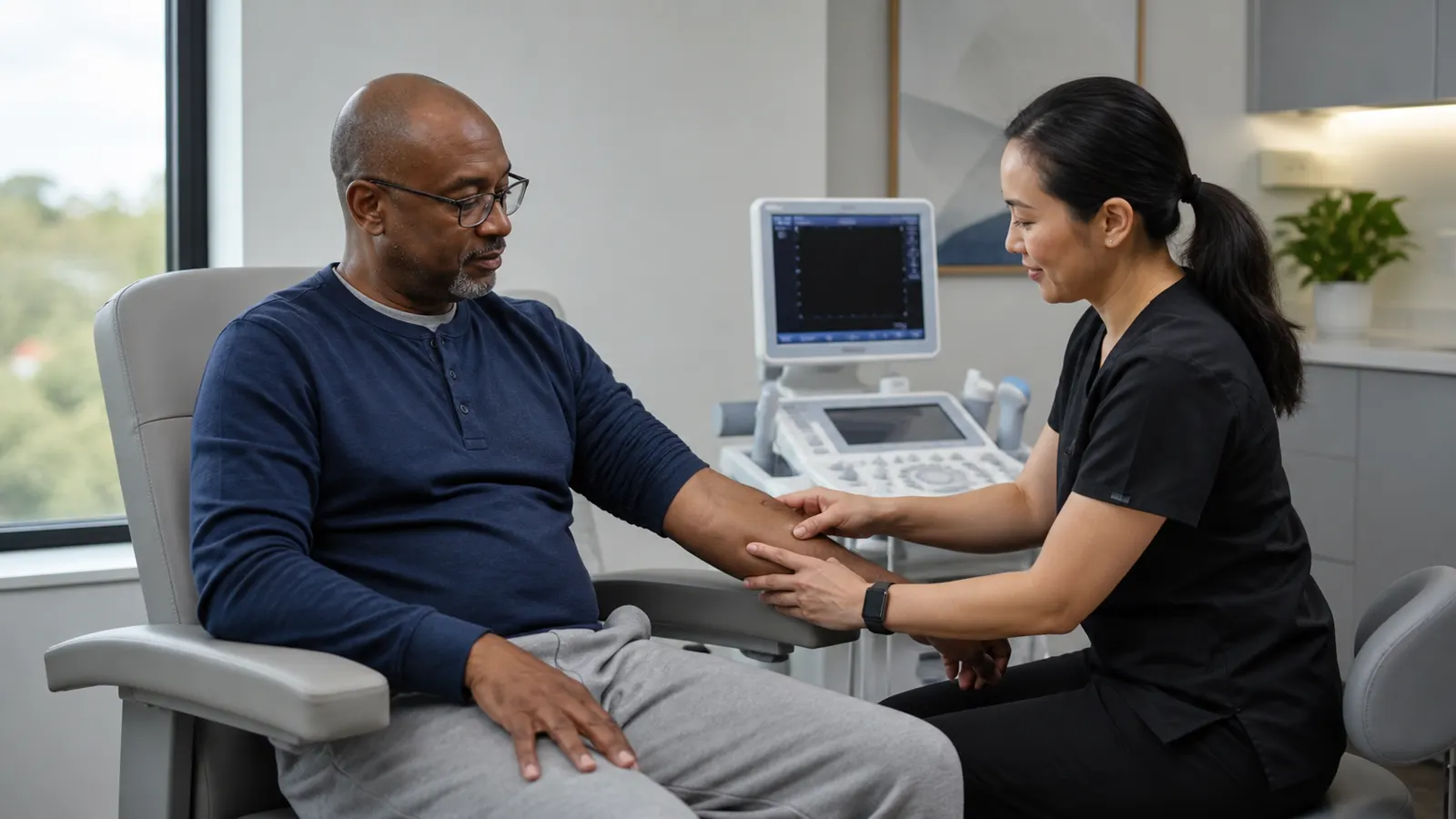
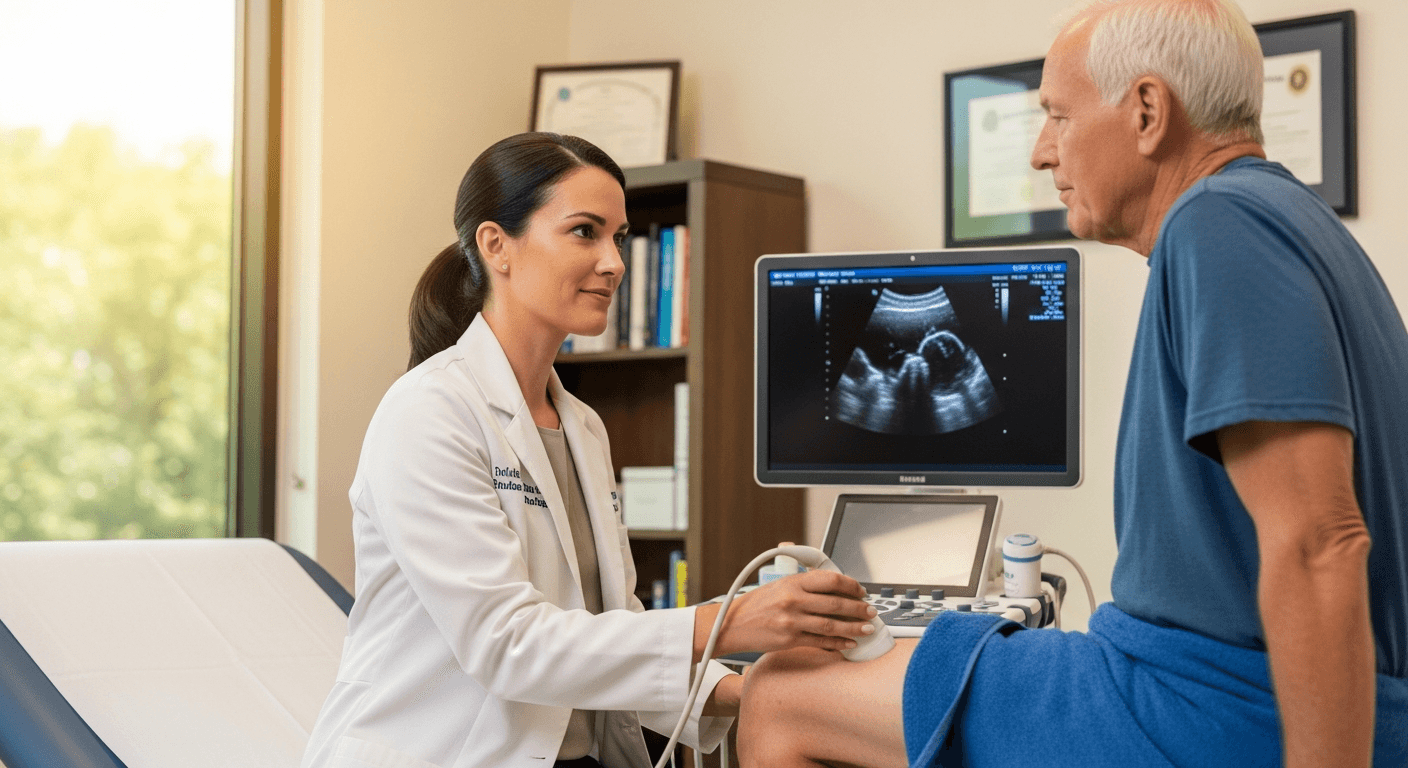
Your dialysis access evaluation starts with a review of kidney disease history, dialysis schedule, access type, prior access procedures, symptoms, and recent dialysis-unit concerns. The clinician may examine the fistula or graft, check pulses and swelling, and recommend ultrasound or further vascular imaging when needed. If intervention is required, the team explains whether access maintenance, angioplasty, declot coordination, catheter care, or surgical referral is the safest next step.

Who Is This For?

Patients on dialysis or preparing for dialysis who need AV fistula, AV graft, dialysis catheter, access-flow, arm swelling, or vascular access evaluation in Queens or Forest Hills.

Frequently Asked Questions

What are signs dialysis access may not be working well?
Warning signs include weaker or absent thrill, poor dialysis flow, difficult needle placement, prolonged bleeding, arm or hand swelling, pain, redness, drainage, or repeated alarms during dialysis.
What is an AV fistula?
An AV fistula is a surgically created connection between an artery and a vein, usually in the arm, that can provide durable access for hemodialysis after it matures.
Can dialysis access be fixed without open surgery?
Some access problems can be treated with minimally invasive image-guided procedures such as angioplasty or declotting, depending on the cause and urgency. Other issues may require surgical coordination.
When should dialysis access symptoms be urgent?
Call 911 for heavy or uncontrolled access bleeding, fainting, or sudden severe hand pain with coldness, weakness, or color change. Apply firm direct pressure with clean gauze to a bleeding site while emergency help is on the way. An absent or suddenly weaker thrill, fever, spreading redness, or inability to complete dialysis needs immediate contact with the dialysis team for urgent assessment. Do not wait for a routine office appointment or try to flush, massage, or unclog an access yourself.
What should I bring to a dialysis access visit in Forest Hills?
Bring your dialysis schedule, the dialysis center and nephrologist contact details, medication list, and any available access surgery or intervention reports. Ask the dialysis unit for recent notes about flow problems, pressure alarms, difficult needle placement, or bleeding after treatment. Write down when symptoms began and whether they occur during dialysis or between sessions. Patients from Rego Park and Kew Gardens can call the Forest Hills office to discuss appointment arrangements, but urgent access changes should go directly to the dialysis team rather than waiting for travel or a routine booking.
How are AV fistulas, grafts, and dialysis catheters different?
A fistula joins an artery to a vein using your own blood vessels. A graft uses a synthetic tube between an artery and a vein. Both need assessment before the dialysis unit can use them safely. A catheter enters a large vein and may be needed when dialysis must begin before another access is ready. The best option depends on vessel anatomy, medical history, dialysis timing, and patient preferences. A fistula is not suitable for every person, and access choice should be planned with the nephrologist and access team.
When should I plan dialysis access if I have not started dialysis?
Discuss access planning with your nephrologist before dialysis is expected to begin. A fistula or graft may need time to heal and become usable, and the timing differs for each person. The access team may use ultrasound to assess the blood vessels and discuss fistula, graft, or catheter options based on anatomy, health, treatment timing, and your goals. Ask whether an arm should be protected from blood pressure cuffs, blood draws, and IVs while planning proceeds. A healed incision does not by itself mean an access is ready to use; readiness needs assessment by the treating team.
What should I do if my dialysis catheter dressing becomes wet or loose?
Contact your dialysis team promptly for instructions if the dressing becomes wet, loose, dirty, or comes off. Keep catheter care within the plan taught by the dialysis unit. Do not open caps, flush the catheter, or try to repair a cracked or leaking line yourself. Fever, chills, drainage, or a catheter that moves or comes out requires immediate contact with the team. Heavy bleeding, fainting, chest pain, or trouble breathing requires emergency care. A routine Forest Hills access appointment should not delay urgent help.
Does an access evaluation always mean I need a procedure?
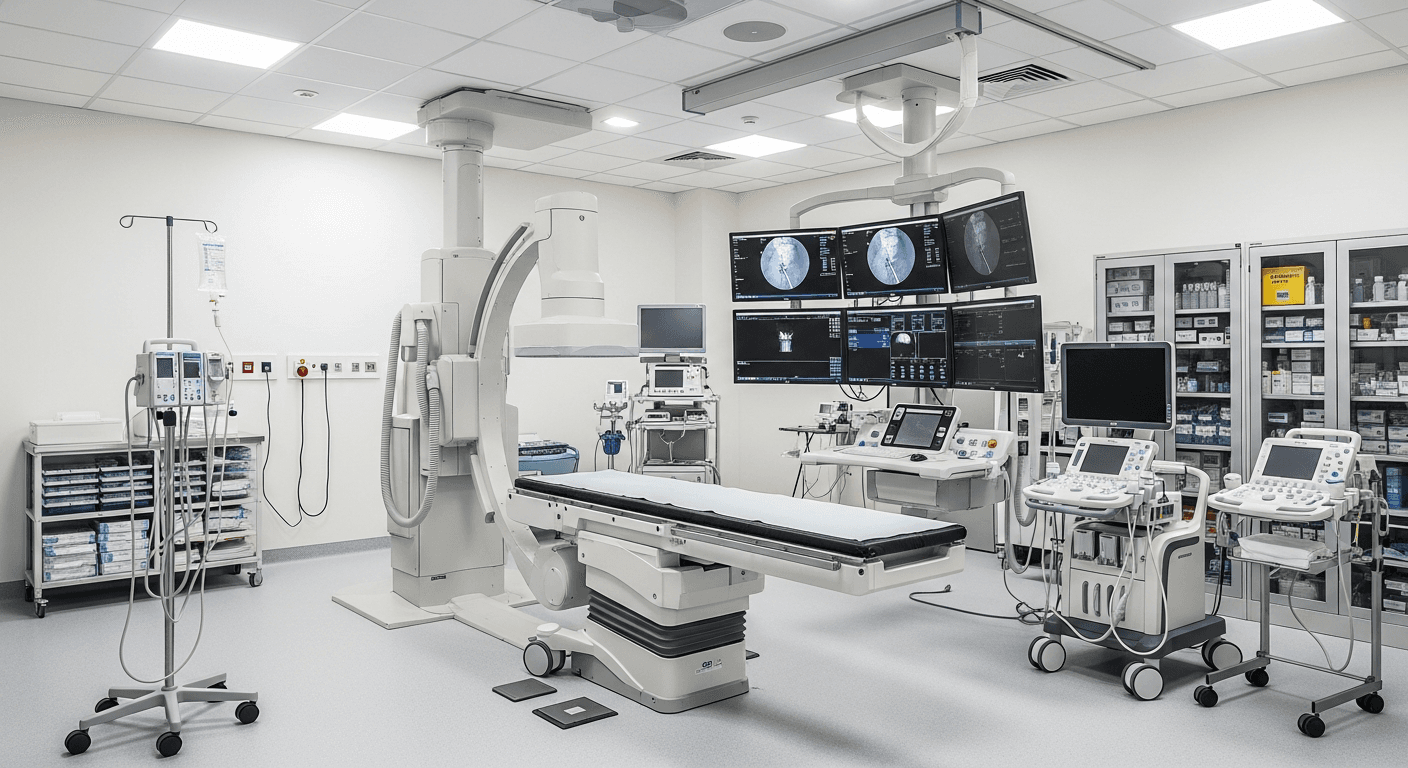
No. The team first considers symptoms, examination findings, dialysis performance, and previous procedures. Ultrasound may help assess blood flow or investigate a suspected narrowing. Other imaging may be appropriate when an intervention is being considered. Some concerns need observation or a change in the care plan; others need prompt treatment. Angioplasty, clot removal, catheter treatment, or surgical revision have different indications and risks. Ask who will perform any recommended procedure, where it will take place, and how it affects your next dialysis session.
How should I protect my access between dialysis treatments?
Follow the dialysis team instructions for checking the usual vibration over a fistula or graft and report a change promptly. Avoid blood pressure cuffs, blood draws, and tight clothing on the access arm unless the treating team directs otherwise. Keep the access area clean and avoid scratching or picking at the skin. Catheter dressings and connections require the care plan provided by the dialysis unit; do not open or flush them yourself. Do not change blood thinners or skip dialysis because of advice on a general website. Contact the team for instructions specific to your access.

Schedule an Appointment

Our board-certified providers are ready to help. Call us today.

Serving patients in:

Forest Hills / Queens · Rego Park · Kew Gardens · Flushing · Bayside · Jamaica · Elmhurst · Fresh Meadows · Jackson Heights · Great Neck / Long Island · Manhasset
Take the Next Step

Schedule your dialysis access care appointment with M&S Vascular and Orthopedic Group P.C. today.