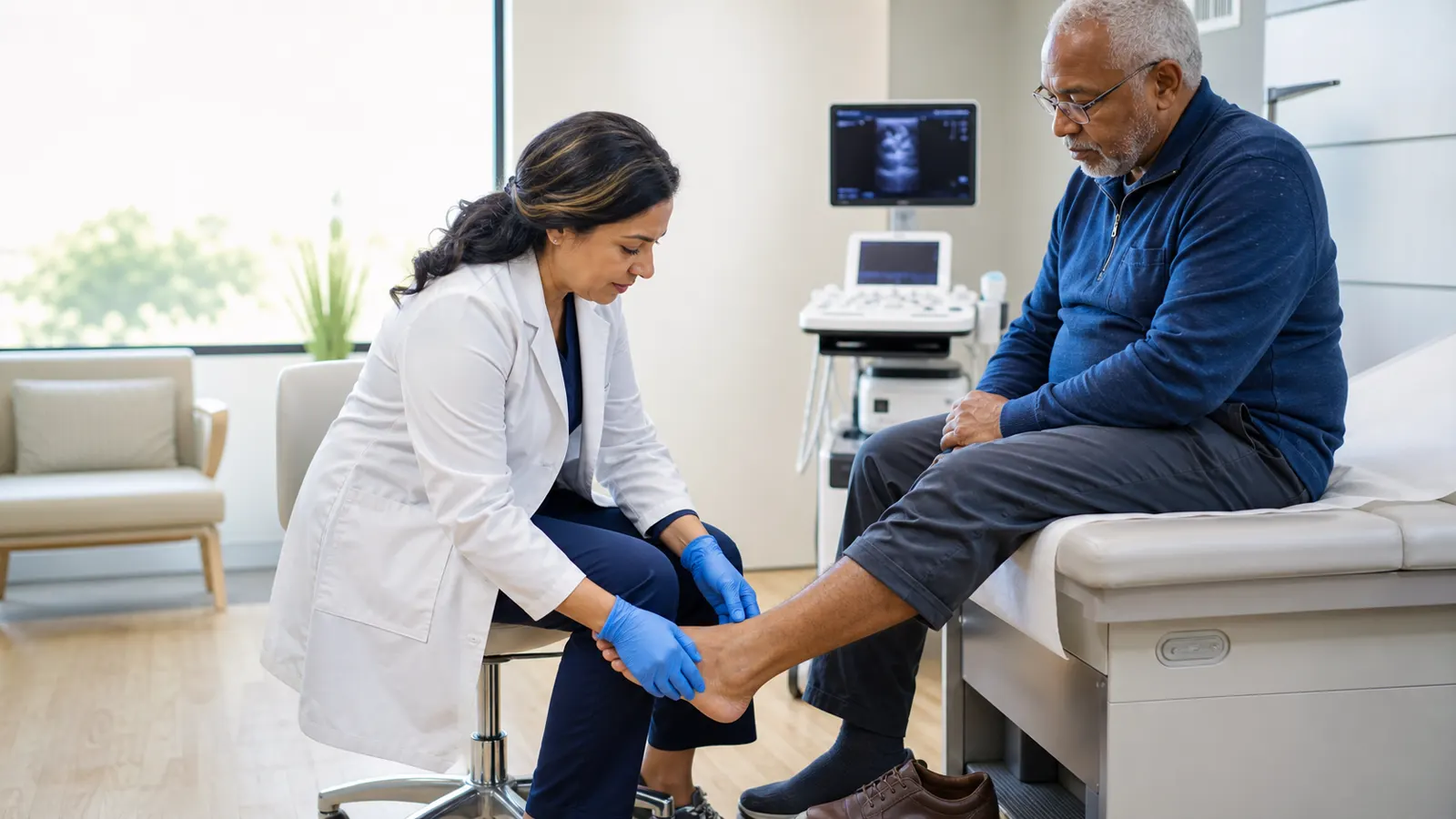
Vascular Wound Care for Non-Healing Foot Wounds in Queens
Non-healing foot and leg wound evaluation for poor circulation in Forest Hills, Queens
About Vascular Wound Care
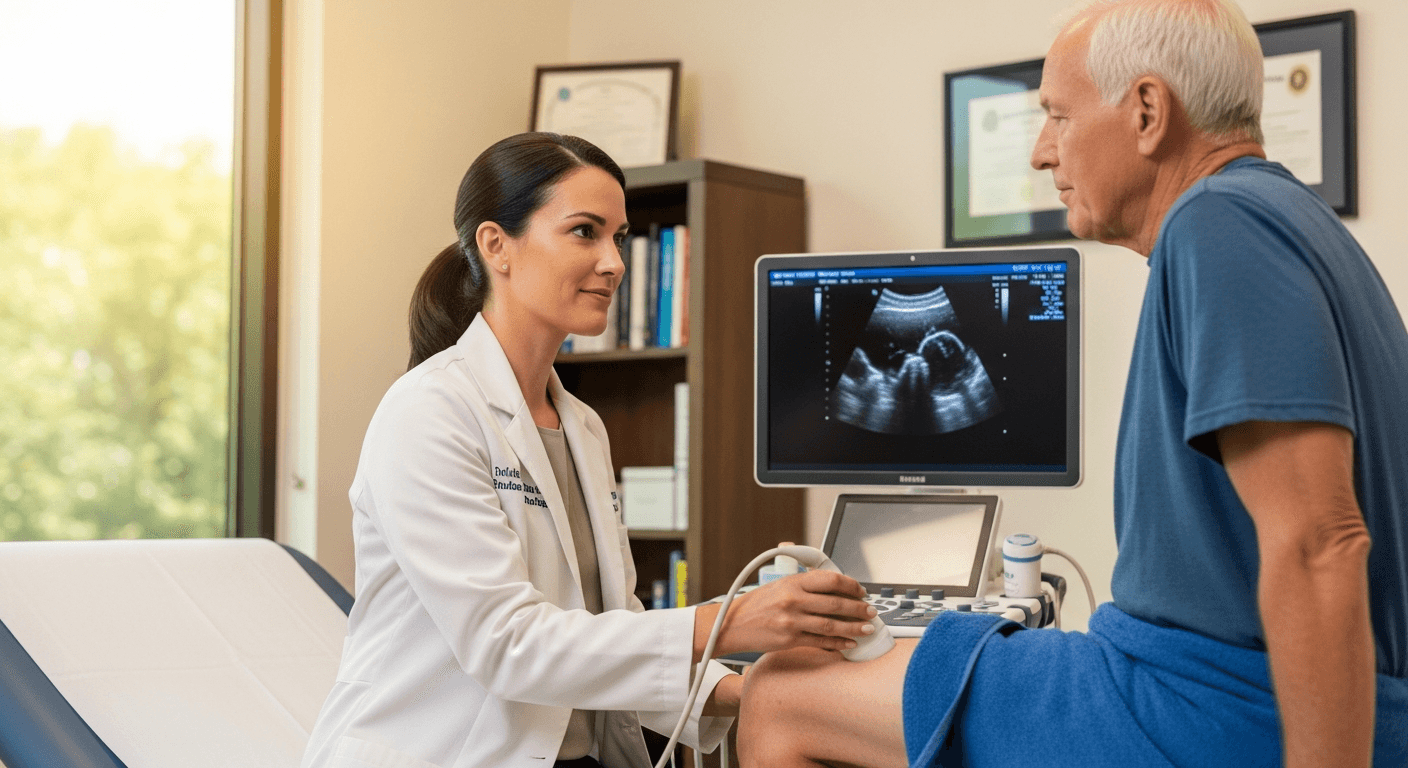
Non-healing wounds on the foot, ankle, or lower leg can be a warning sign of poor circulation, diabetes-related vascular disease, venous insufficiency, infection risk, pressure injury, or an overlapping foot and ankle problem. M&S Vascular and Orthopedic Group evaluates non-healing foot wounds and leg ulcers in Forest Hills, Queens, including patients from Rego Park and Kew Gardens. A vascular assessment asks whether artery or vein disease is contributing to delayed healing and whether care should be coordinated with a podiatrist or wound specialist. Dr. Amir Salem and the care team can assess whether a wound may be related to peripheral artery disease (PAD), vein disease, diabetic circulation problems, or another cause that requires urgent attention. Evaluation may include pulse checks, skin and wound assessment, duplex ultrasound, ankle-brachial index testing, medication and diabetes-risk review, and coordination with podiatry or wound specialists when needed. The goal is to protect mobility, reduce infection risk, identify circulation problems early, and connect Queens patients to the right treatment path before a small wound becomes a serious complication.
What to Expect
Your Visit, Step by Step
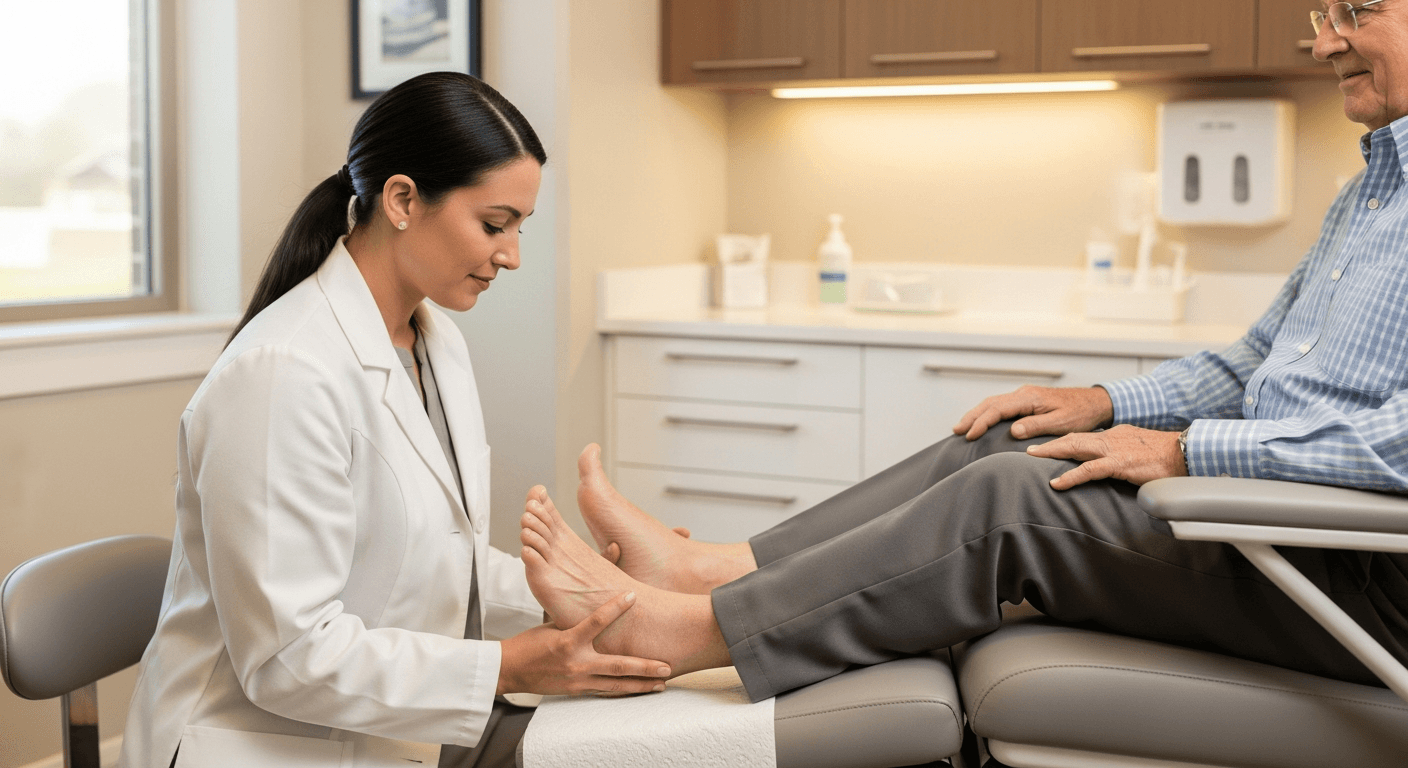
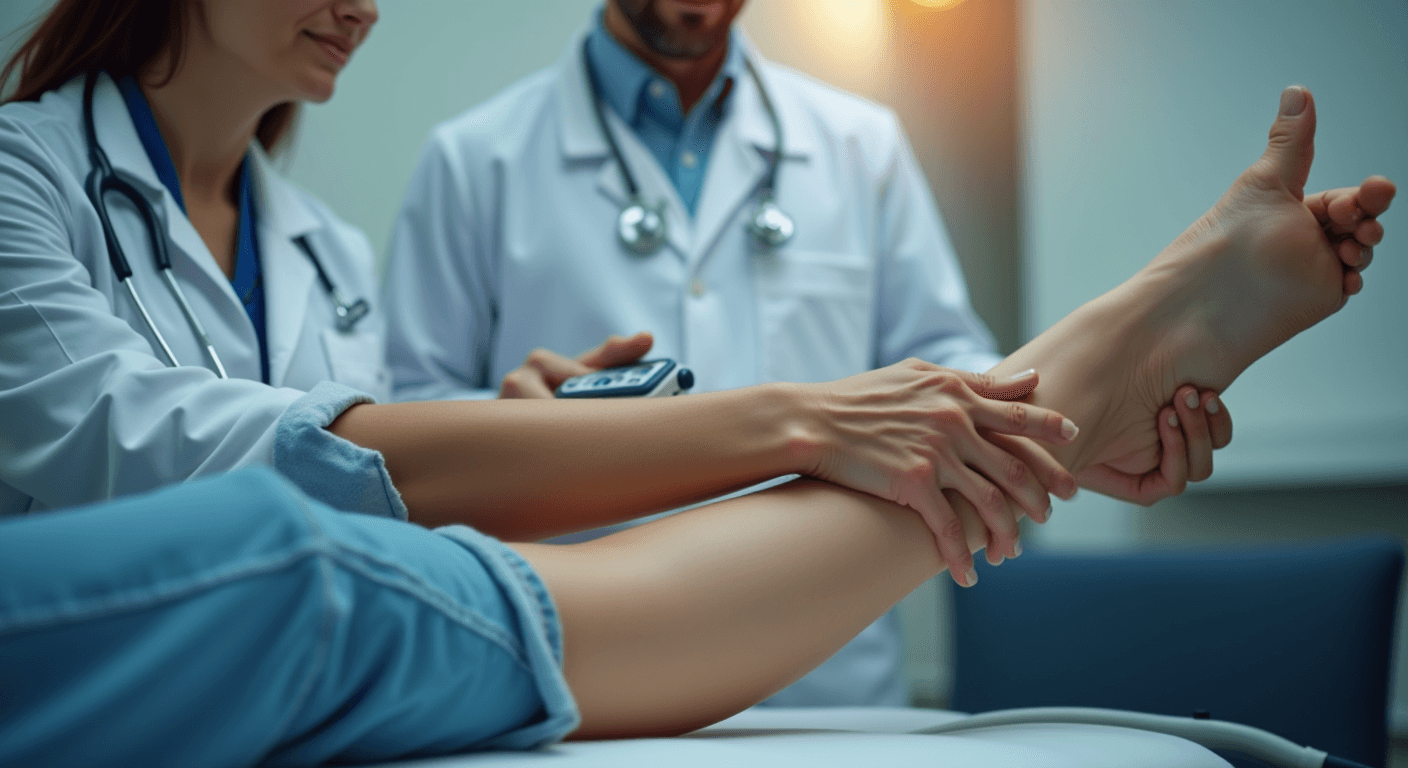
Your wound-care evaluation begins with a review of how long the wound has been present, whether it is improving, diabetes status, smoking history, vascular risk factors, pain, drainage, infection symptoms, prior wounds, footwear, and walking limits. The clinician may examine pulses, skin color, temperature, swelling, sensation, visible veins, and the wound location. If poor circulation is suspected, non-invasive vascular testing such as ABI or ultrasound may be recommended. Treatment may include wound protection, podiatry coordination, infection-risk management, compression or vein care when safe, PAD treatment planning, or minimally invasive circulation procedures when appropriate. Forest Hills patients may also receive guidance on when a wound needs urgent care, when diabetes or PAD risk changes the timeline, and when follow-up testing should be coordinated with a podiatrist, primary care physician, or wound specialist.
Who Is This For?
Adults with a foot, ankle, toe, or lower-leg sore that is slow to heal; patients with diabetes, PAD risk, cold feet, leg pain when walking, swelling, skin discoloration, venous ulcers, or a history of vascular disease who need non-healing wound evaluation in Forest Hills or Queens.
Related Patient Guides
Diabetic foot wounds and poor circulation in Queens
When diabetes, PAD risk, neuropathy, cold feet, or slow healing should prompt vascular wound evaluation in Forest Hills.
Cold feet, foot pain, and poor circulation
Learn when cold toes, walking-related foot pain, weak pulses, or color changes may point to PAD and need vascular testing.
Non-healing foot wounds and poor circulation in Queens
A patient guide to wounds that do not heal, PAD warning signs, diabetes risk, podiatry coordination, and vascular evaluation.
How diabetes affects vascular health
Why diabetes raises the risk of PAD, neuropathy, foot wounds, infection, and delayed healing.
PAD treatment in Queens
Local circulation evaluation for leg pain when walking, cold feet, weak pulses, and slow-healing wounds.
Frequently Asked Questions
When should a foot or leg wound be checked?
Can poor circulation stop a wound from healing?
What circulation tests are used for non-healing foot wounds in Queens?
Can compression help a venous leg ulcer if I also have PAD?
Are diabetic foot wounds urgent?
What makes vascular wound care different?
Does a painless diabetic foot ulcer still need attention?
What should I bring to a vascular wound evaluation in Forest Hills?
Will restoring blood flow heal a leg ulcer on its own?
Do you evaluate slow-healing wounds for patients near Rego Park, Kew Gardens, Jamaica, and Flushing?
Schedule an Appointment
Our board-certified providers are ready to help. Call us today.
Serving patients in:
Forest Hills / Queens · Rego Park · Kew Gardens · Flushing · Bayside · Jamaica · Elmhurst · Fresh Meadows · Jackson Heights · Great Neck / Long Island · Manhasset

Take the Next Step
Schedule your vascular wound care appointment with M&S Vascular and Orthopedic Group P.C. today.